Calculate your end-of-service benefits based on local laws
Calculation Parameters
Calculation Result
Gratuity Calculator Tool: Formula, Eligibility & Complete Guide

Gratuity is one of the most valuable long-term employee benefits offered by employers across many countries. Whether you are planning retirement, changing jobs, or simply reviewing your financial future, understanding your gratuity entitlement can help you make informed decisions.
A gratuity calculator tool simplifies the process by estimating the gratuity amount you may receive based on your salary and years of service. Instead of manually applying formulas and checking eligibility rules, you can get an estimate within seconds.
For employees, gratuity represents a financial reward for loyalty and long-term service. For employers and HR professionals, it is an important payroll and compliance obligation that must be calculated accurately.
Table of Contents
What Is a Gratuity Calculator Tool?

A gratuity calculator tool is an online utility that estimates the gratuity amount payable to an employee based on employment duration and salary details.
The tool usually requires:
- Basic salary
- Eligible allowances
- Years of service
- Employment category
- Applicable gratuity rules
After entering the information, the calculator applies the relevant formula and provides an estimated payout.
If you want to calculate quickly, you can use this tool here:
Guide Blog: How To calculate gratuity online
What Is Gratuity?
Gratuity is a lump-sum payment made by an employer to an employee in recognition of long and continuous service.
It is commonly paid when:
- An employee retires
- An employee resigns after qualifying service
- Employment ends under eligible circumstances
- An employee becomes permanently disabled
- Death-related benefits become applicable under local regulations
Gratuity is considered part of a broader employee compensation and retirement benefits framework.
Why Gratuity Matters
Many employees focus on monthly salary while overlooking the long-term value of gratuity.
Key benefits include:
For Employees
- Retirement support
- Financial security
- Emergency funds
- Recognition of long-term service
- Better financial planning
For Employers
- Employee retention
- Improved workforce satisfaction
- Compliance with labor law requirements
- Better employer reputation
How Does a Gratuity Calculator Work?
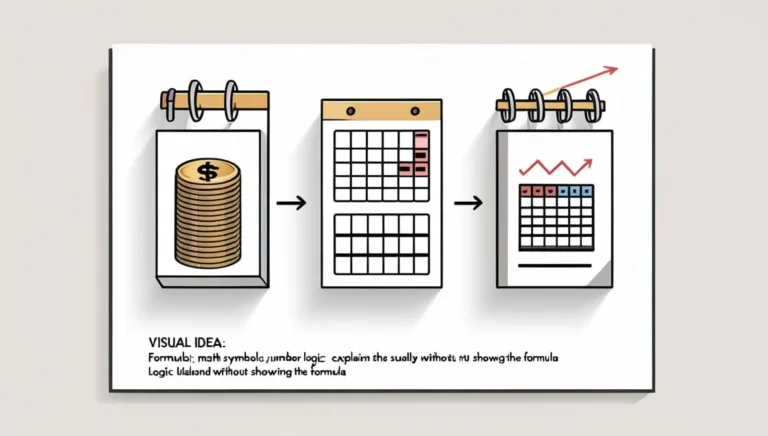
The calculator uses salary information and service duration to estimate gratuity.
Typical inputs include:
| Input | Description |
|---|---|
| Basic Salary | Core salary component |
| Eligible Allowances | Allowances included under local rules |
| Years of Service | Total completed service years |
| Employment Type | Public or private sector |
| Country Rules | Applicable labor regulations |
The calculator automatically processes these values and displays the estimated gratuity amount.
Gratuity Formula Explained
The most commonly used gratuity formula is:
Gratuity = (Last Drawn Salary × 15 × Years of Service) ÷ 26
Where:
- Last Drawn Salary = Basic salary plus eligible allowances
- 15 = Number of gratuity days per completed year
- 26 = Working days in a month
- Years of Service = Eligible completed years
Example
Suppose:
- Monthly Salary = $2,000
- Service Duration = 10 Years
Calculation:
(2,000 × 15 × 10) ÷ 26
Estimated Gratuity:
$11,538.46
Actual calculations may vary depending on local labor laws and employer policies.
Gratuity Eligibility Rules (The 5-Year Rule and Exceptions)
Gratuity isn’t automatic for everyone.
Most systems follow a basic rule:
You must complete 5 years of continuous service to qualify.
But there are important exceptions, and those exceptions are where most people get confused.
Gratuity eligibility criteria (simple checklist)
Use this simple checklist:
You usually qualify if:
- You worked continuously for the employer
- You completed the minimum service requirement (often 5 years)
- Your employer is covered under the relevant gratuity rules
- You are leaving due to resignation, retirement, termination, or death/disability
You may NOT qualify if:
- You resign before minimum service (in many cases)
- Your contract excludes gratuity (common in Pakistan)
- Your employer is not covered by law and has no policy
The gratuity 5 year rule explained with real examples
The gratuity 5 year rule is simple on paper, but tricky in real life.
Example 1:
You worked 5 years and 2 months
→ You are eligible.
Example 2:
You worked 4 years and 10 months
→ You may be eligible depending on rounding and company policy.
Example 3:
You worked 3 years
→ Usually not eligible (unless death/disability case).
The best move is to use a calculator first, then confirm with HR.
Continuous service requirement: what counts as service?
Continuous service does not mean you worked every single day.
It usually includes:
- Paid leave
- Sick leave
- Maternity leave
- Temporary suspension (in many cases)
- Transfers within the same company group
It may not include:
- Long unpaid breaks
- Absconding
- Resignation and rejoining as a new employee
Resignation before 5 years: do you lose gratuity?
In many cases, yes.
If you resign before 5 years:
- You usually lose gratuity eligibility
- The employer may not be legally required to pay
But exceptions exist:
- Some companies pay as goodwill
- Some policies allow payout earlier
- Some cases treat 4 years 240 days as 5 years
So the safest answer is:
You may lose it, but check your policy before deciding.
Death gratuity and disability gratuity (exception cases)
This is an important exception.
If an employee dies in service or becomes disabled:
- The 5-year rule usually does not apply
- The nominee or family can claim gratuity payments after death
- The employee may still be eligible even with short service
Documents usually required:
- Death certificate
- Nominee proof
- Bank details
- Employment records
Gratuity Under the Payment of Gratuity Act 1972 (India)

If you work in India, the Payment of Gratuity Act 1972 is the main law that defines gratuity eligibility and calculation.
It is one of the most searched topics because many people want an official “payment of gratuity act calculator” type estimate.
What the Payment of Gratuity Act 1972 covers
The Act covers many employers, including:
- Factories
- Mines
- Oilfields
- Shops and establishments (above certain employee thresholds)
- Ports and railways
It also covers employees who meet eligibility.
You don’t need to memorize legal sections. What matters is:
- Whether your employer is covered
- Whether your service qualifies
- Whether your salary definition matches the Act
Payment of gratuity act calculator: what it assumes
A payment of gratuity act calculator usually assumes:
- You are eligible under the Act
- Your gratuity is based on Basic + DA
- Formula used is 15/26
- Service years are rounded per standard logic
- A maximum cap may apply
Where people go wrong:
- Entering gross salary
- Including bonus and allowances
- Entering wrong service years
Gratuity rules India: salary definition and DA inclusion
In India, the salary definition matters.
Gratuity rules India usually treat wages as:
- Basic salary
- Dearness allowance (DA)
Not included:
- HRA
- Overtime
- Bonus
- Commission (often excluded)
- Special allowances
This is why payslip understanding matters.
If your payslip shows:
- Basic: 30,000
- DA: 10,000
Your gratuity salary base is usually 40,000.
Gratuity maximum limit in India (cap + employer policy)
India has a gratuity maximum limit (cap) under the law.
Important note:
- The legal cap limits what must be paid under the Act
- Some employers pay more than the cap as company policy
How calculators treat caps:
- Some calculators stop at the cap automatically
- Some show both: “Calculated amount” and “Payable amount under cap”
If your employer offers more, the tool cannot guess it unless you manually adjust.
Gratuity tax exemption limit (India) and what’s taxable
Gratuity tax exemption is a separate topic from the payout calculation.
In India:
- A portion of gratuity may be tax-free
- Anything above the exemption may be taxable
Tax depends on:
- Whether you are a government employee
- Whether your employer is covered under the Act
- Your total payout amount
So gratuity amount and gratuity tax rules are connected, but not identical.
Gratuity Calculation Pakistan (How It Works in Real Life)
Gratuity calculation Pakistan is one of the most confusing topics online.
The reason is simple:
Pakistan does not have one single universal gratuity rule that applies everywhere like India’s Act.
In Pakistan, gratuity often depends on:
- Company policy
- Employment contract
- Industry practice
- Whether the company provides provident fund instead
Is gratuity mandatory in Pakistan? (common confusion)
This is the biggest confusion.
In many Pakistani companies:
- Gratuity is offered as a benefit
- But it is not always mandatory across all private employers
So the practical reality is:
Your appointment letter matters more than internet formulas.
What to check:
- HR policy document
- Appointment letter clause
- “Final settlement” section
- Provident fund vs gratuity benefit
How to calculate gratuity in Pakistan law (typical approach)
Most Pakistani employers use a simple approach like:
- 1 month basic salary for each completed year
OR - 15 days salary per year
OR - A custom formula defined by policy
So gratuity calculation Pakistan can vary.
That’s why a calculator must allow flexible inputs, not just India’s 15/26.
Gratuity eligibility Pakistan: contract vs policy vs law
In Pakistan, gratuity eligibility usually depends on:
- Your appointment letter
- HR policy
- Company practice
Many companies include conditions like:
- Minimum 3 years
- Minimum 5 years
- Only for permanent employees
- Not for contractual staff
So your best move is:
- Calculate using the tool for an estimate
- Then confirm eligibility with HR in writing
What to do if your employer denies gratuity
If your employer denies gratuity, stay practical.
Do this:
- Ask HR for the policy clause in writing
- Share your appointment letter section
- Keep salary slips and service record ready
- Request a written settlement statement
You don’t need to fight first. Most issues are due to:
- missing policy understanding
- incomplete service record
- resignation timing
Best practice: calculate gratuity before switching jobs
Before switching jobs, calculate gratuity.
Why it matters:
- Switching resets your service years in most cases
- Internal transfers may not reset (depends on company)
- Notice period and exit date can affect eligibility
If you’re planning a switch, estimate first, then decide your timeline.
UAE End of Service Benefits (EOSB) Calculator vs Gratuity Calculator
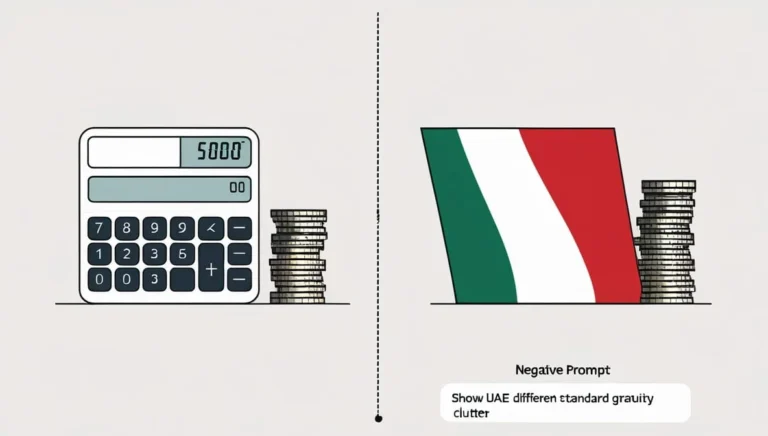
In UAE, the system is usually called:
End of Service Benefits (EOSB)
Many people call it gratuity because it works like a lump sum benefit after leaving.
But UAE gratuity rules are not the same as India’s 15/26 formula.
What is “end of service benefits” in UAE?
EOSB is a lump sum amount paid to employees when they leave a UAE job.
It is based on:
- Basic salary
- Years of service
- Contract type
- Resignation vs termination
So in UAE, gratuity is basically the same idea, but the calculation logic differs.
If you want a UAE-focused tool, use: UAE Gratuity Calculator Tool
Can I calculate gratuity for UAE jobs using the same tool?
Sometimes yes, often no.
You cannot always use an India-style gratuity calculator UAE estimate because:
- UAE uses different slabs
- Contract type matters (limited vs unlimited)
- Resignation can reduce the payout
So use a UAE-specific end of service benefit calculator when possible.
End of service benefit calculator inputs (UAE)
A proper EOSB calculator usually needs:
- Contract type
- Basic salary
- Joining date
- Leaving date
- Reason for leaving (resignation/termination)
Without these, the estimate can be wrong.
Resignation gratuity in UAE vs retirement payout
In UAE, resignation can affect EOSB.
For example:
- Resignation may reduce benefits depending on service length
- Termination may have different outcomes
- Retirement-style exits are treated differently
So always select the correct exit type.
Multi-country gratuity calculator: when it’s useful (and risky)
A multi-country gratuity calculator can be helpful if:
- You’re an expat
- You worked in multiple countries
- You just want a quick estimate
But it’s risky because:
- Laws vary
- Caps vary
- Salary definitions vary
Use it for rough planning only, not final settlement decisions.
Step-by-Step: How to Calculate Gratuity

Step 1: Identify Your Last Drawn Salary
Typically included:
- Basic salary
- Dearness allowance where applicable
- Eligible contractual allowances
Usually excluded:
- Bonuses
- Overtime
- Travel reimbursements
- Incentive payments
Step 2: Determine Service Length
Calculate:
- Joining date
- Exit date
- Completed years of service
Step 3: Verify Eligibility
Check:
- Minimum service requirements
- Employment status
- Country-specific regulations
Step 4: Apply the Formula
Use a gratuity calculator or manual formula.
Step 5: Review Final Amount
Compare your estimate with any employer-provided calculation.
Who Is Eligible for Gratuity?
Eligibility varies across countries and industries, but common requirements include:
General Eligibility Checklist
✔ Permanent employee
✔ Continuous service
✔ Completion of minimum qualifying period
✔ Retirement, resignation, or eligible separation
✔ Compliance with applicable labor laws
Special Cases
Some jurisdictions provide gratuity even when minimum service requirements are not completed in cases involving:
- Disability
- Workplace injury
- Employee death
Always review local regulations and employment contracts.
Gratuity Eligibility for Contract Employees
One of the most misunderstood areas involves contract workers.
Eligibility depends on:
- Employment structure
- Contract terms
- Local labor laws
- Employer obligations
In some regions, contract employees may qualify if they meet service requirements and are considered eligible employees under applicable legislation.
This is why an employment contract should always be reviewed before estimating gratuity benefits.
Gratuity During Job Changes
Many employees wonder whether they lose gratuity when switching jobs.
The answer depends on:
- Length of service
- Reason for leaving
- Country-specific regulations
- Employer policy
Employees who resign after meeting qualifying service requirements are often entitled to gratuity benefits.
Before changing jobs, calculate your potential gratuity amount and compare it with future employment benefits.
If you often use calculators on mobile, you may also like: Age Calculator Tool
Common Gratuity Calculation Examples
Example 1: Mid-Level Employee
| Factor | Value |
| Salary | $1,500 |
| Service | 7 Years |
| Estimated Gratuity | $6,057.69 |
Example 2: Senior Professional
| Factor | Value |
| Salary | $4,000 |
| Service | 20 Years |
| Estimated Gratuity | $46,153.85 |
Example 3: Long-Term Employee
| Factor | Value |
| Salary | $5,500 |
| Service | 25 Years |
| Estimated Gratuity | $79,326.92 |
These examples illustrate how service duration significantly impacts the final gratuity amount.
Future Gratuity Projection
A valuable but often overlooked feature is future gratuity forecasting.
Instead of calculating only today’s entitlement, employees can estimate future payouts based on projected salary growth and continued employment.
Future gratuity projections help with:
- Retirement planning
- Financial goal setting
- Investment planning
- Career decisions
Employees nearing retirement often use gratuity estimates alongside pension calculators, retirement calculators, and income tax planning tools.
Gratuity vs Pension
Many people confuse gratuity with pension.
| Feature | Gratuity | Pension |
| Payment Type | Lump Sum | Periodic Income |
| Funding Source | Employer | Pension Scheme |
| Timing | End of Service | Post-Retirement |
| Frequency | One-Time | Ongoing |
Gratuity provides an immediate payout, while pension provides long-term retirement income.
Gratuity vs Provident Fund
Another common comparison is gratuity versus provident fund.
| Feature | Gratuity | Provident Fund |
| Contribution | Employer Benefit | Employer and Employee |
| Payment Timing | End of Service | Withdrawal Rules Apply |
| Purpose | Reward for Service | Long-Term Savings |
| Eligibility | Service Based | Contribution Based |
Many employees receive both benefits depending on employer policies and applicable regulations.
Taxation of Gratuity:

One of the most common questions employees ask is whether gratuity is taxable.
The answer depends on:
- Country-specific tax laws
- Employment category
- Public or private sector status
- Applicable exemption limits
- Total gratuity received
In some countries, gratuity may be fully exempt up to a prescribed limit. In others, a portion may be taxable. Certain public-sector employees may receive different tax treatment than private-sector workers.
Because tax regulations change periodically, employees should review the latest guidance from tax authorities or consult a qualified tax professional before making financial decisions.
Factors That Affect Taxability
- Total gratuity amount
- Years of service
- Employment category
- Retirement or resignation status
- Applicable exemption thresholds
Tax planning should always be part of retirement planning, especially when gratuity forms a significant portion of retirement benefits.
Global Gratuity Rules: Country Comparison
Although gratuity is recognized worldwide as a long-service benefit, the rules vary significantly by country.
| Country/Region | Common Gratuity Structure |
|---|---|
| India | Statutory gratuity under labor regulations |
| UAE | End-of-service benefit system |
| Saudi Arabia | End-of-service compensation rules |
| Qatar | Employee service benefit provisions |
| Pakistan | Employer-specific and regulatory frameworks |
| Bahrain | End-of-service gratuity structures |
| Oman | Service benefit requirements |
| Kuwait | Employment-related gratuity provisions |
Why Country Rules Matter
A gratuity calculator designed for one country may not provide accurate results for another.
Differences can include:
- Eligibility requirements
- Salary components used
- Service-year calculations
- Benefit caps
- Tax treatment
- Resignation rules
Always use a calculator aligned with your country’s labor regulations.
Public vs Private Sector Employees
Gratuity rules often differ between government and private-sector employees.
Public Sector
May include:
- Additional retirement benefits
- Separate pension schemes
- Different gratuity limits
- Special tax provisions
Private Sector
May include:
- Statutory gratuity
- Employer-funded plans
- Contractual benefits
- Industry-specific compensation policies
Employees should never assume that public-sector and private-sector calculations are identical.
If you want to avoid common salary confusion, you may also like: Loan EMI Calculator Tool (helps with exit cash planning)
Manual Calculation vs Online Gratuity Calculator
Both methods can estimate gratuity, but they differ in convenience and accuracy.
| Feature | Manual Calculation | Online Calculator |
| Speed | Slow | Instant |
| Accuracy | Depends on user | Consistent |
| Formula Knowledge Required | Yes | No |
| Error Risk | Higher | Lower |
| Accessibility | Limited | Anytime |
For most employees, an online gratuity calculator is the quickest and most practical option.
HR Compliance and Payroll Considerations
Gratuity is not only an employee benefit. It is also an important payroll and compliance responsibility.
Human Resources teams and payroll departments must ensure:
- Accurate employee records
- Correct salary calculations
- Proper service tracking
- Compliance with labor laws
- Timely benefit payments
HR Gratuity Workflow
- Verify employment records
- Confirm service duration
- Review salary components
- Check eligibility requirements
- Apply gratuity formula
- Verify tax treatment
- Approve final settlement
- Process payment
Organizations that maintain accurate payroll systems reduce disputes and improve compliance.
Common Gratuity Calculation Mistakes
Many employees receive inaccurate estimates because of simple errors.
1. Using Gross Salary Instead of Eligible Salary
Not every salary component is included in gratuity calculations.
Always confirm which salary elements are eligible.
2. Ignoring Eligibility Requirements
Some employees calculate gratuity without verifying minimum service requirements.
Eligibility must be confirmed first.
3. Miscalculating Service Years
Partial years, breaks in service, and special employment situations may affect calculations.
4. Ignoring Country-Specific Rules
A formula that works in one country may not apply elsewhere.
5. Forgetting Tax Implications
The amount calculated is not always the amount ultimately received.
Taxes can reduce the final payout.
6. Relying Solely on Employer Estimates
Employees should independently verify gratuity calculations using a reliable gratuity calculator tool.
Benefits of Using a Gratuity Calculator Tool
Fast Results
Calculations take only seconds.
Better Financial Planning
Employees can estimate future retirement benefits more accurately.
Improved Transparency
Workers can compare employer calculations with their own estimates.
Reduced Errors
Automated calculations reduce the risk of manual mistakes.
Helpful for HR Teams
Payroll professionals can estimate liabilities efficiently.
Best Practices for Employees
To get the most accurate gratuity estimate:
Before Calculating
- Review your employment contract
- Confirm joining date
- Verify service records
- Understand salary structure
- Check applicable labor laws
After Calculating
- Compare estimates with employer figures
- Consider tax obligations
- Include gratuity in retirement planning
- Keep records for future reference
Best Practices for Employers
Employers can improve transparency and compliance by:
- Maintaining accurate payroll records
- Communicating gratuity policies clearly
- Updating calculations regularly
- Monitoring labor law changes
- Providing employees with benefit statements
A transparent gratuity process improves trust and reduces workplace disputes.
Related Financial Tools
Employees often use gratuity calculators alongside other planning tools.
Popular options include:
- Salary Calculator
- Payroll Calculator
- Income Tax Calculator
- Retirement Calculator
- Pension Calculator
- Provident Fund Calculator
- Severance Pay Calculator
Using multiple tools provides a more complete picture of long-term financial security.
Quick Gratuity Decision Framework:
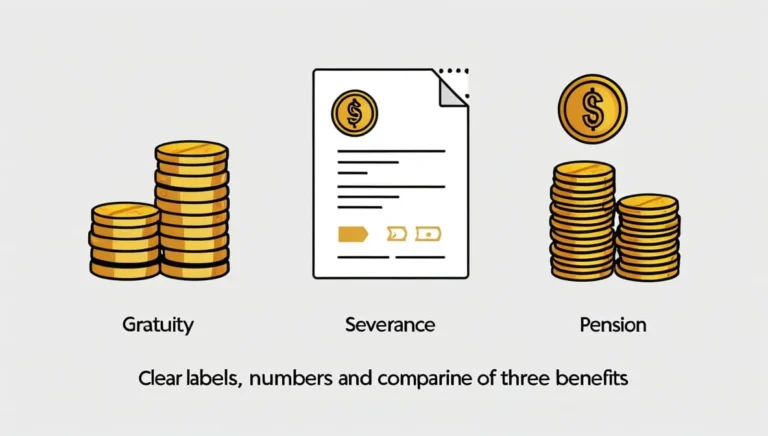
Use this simple checklist before calculating gratuity:
Step 1
Have you completed the required service period?
- Yes → Continue
- No → Check special eligibility provisions
Step 2
Do you know your eligible salary?
- Yes → Continue
- No → Verify salary components
Step 3
Have you confirmed local labor rules?
- Yes → Calculate
- No → Review regulations first
Step 4
Do you understand tax implications?
- Yes → Review estimate
- No → Seek professional advice
Following this process helps avoid common errors and unrealistic expectations.
For retirement planning calculations, you may also use: SIP Calculator Tool
Conclusion:

A gratuity calculator tool is one of the most useful resources for employees, employers, HR professionals, and payroll teams. It simplifies complex calculations, improves transparency, and helps individuals estimate valuable end-of-service benefits with confidence.
Whether you are planning retirement, evaluating a job change, verifying an employer’s calculation, or managing workforce liabilities, understanding gratuity is essential. By knowing the formula, eligibility rules, tax considerations, and country-specific differences, you can make better financial decisions and avoid costly mistakes.
For the most reliable results, always verify your salary structure, confirm your years of service, review applicable labor laws, and use a trusted gratuity calculator designed for your region. Combined with retirement planning, payroll management, and tax planning tools, gratuity calculations become an important part of long-term financial security.
Frequently Asked Questions (FAQ’s)
What is gratuity?
Gratuity is a lump-sum payment made by an employer to an employee as a reward for long-term service.
How is gratuity calculated?
A common formula is:
Gratuity = (Last Drawn Salary × 15 × Years of Service) ÷ 26
However, calculations may vary by country and employer policy.
What is a gratuity calculator tool?
A gratuity calculator tool estimates the gratuity amount payable based on salary and years of service.
Who is eligible for gratuity?
Eligibility usually depends on service duration, employment status, and local labor regulations.
Can I receive gratuity after resignation?
In many jurisdictions, employees who meet qualifying service requirements remain eligible after resignation.
Is gratuity taxable?
Tax treatment varies by country, employee category, and applicable exemption limits.
What salary is considered for gratuity calculation?
Most systems use basic salary and eligible allowances, though local regulations differ.
How many years of service are required?
The minimum qualifying period varies by jurisdiction and employment regulations.
Can contract employees receive gratuity?
Contract employees may qualify depending on employment status, contract terms, and local labor laws.
What happens to gratuity when changing jobs?
Employees who satisfy eligibility requirements may still receive gratuity upon leaving an employer.
Is gratuity different from pension?
Yes. Gratuity is usually a one-time payment, while pension provides ongoing retirement income.
Is gratuity different from provident fund?
Yes. Gratuity is employer-funded service compensation, while provident fund is generally a contribution-based savings scheme.
Can employers offer higher gratuity benefits?
Yes. Some organizations provide benefits that exceed statutory minimum requirements.
Why should I use an online gratuity calculator?
It provides faster, more accurate estimates and reduces the risk of manual calculation errors.
Can HR teams use gratuity calculators?
Yes. HR professionals frequently use gratuity calculators for workforce planning, payroll forecasting, and compliance management.