Discover when your investments will grow enough to cover retirement without additional contributions. Get personalized insights and actionable steps to achieve financial independence.
Financial Profile
Your Coast FIRE Results
Personalized Insights
Accelerate Your Timeline
Increasing your monthly contributions by $200 could reduce your Coast FIRE age by 3 years, helping you reach financial independence faster.
Investment Strategy
With a 7% return assumption, consider a balanced portfolio with 60% stocks and 40% bonds to match your risk tolerance while pursuing growth.
Safety Margin
Your plan includes a 3% inflation buffer. In high inflation environments, consider TIPS or other inflation-protected securities.
Calculation History
Your recent calculations are saved automatically for comparison
Introduction:
If you are saving for retirement, you have probably asked yourself a quiet but powerful question.
“What if I could stop investing now and still retire comfortably later?”
That question is exactly what Coast FIRE is about.
Unlike traditional FIRE, where you grind hard to retire early, Coast FIRE focuses on reaching a point where your existing investments can grow on their own. No more monthly contributions. No extreme saving. Just time and compound growth doing the heavy lifting.
The problem is that most people find Coast FIRE confusing. The math feels unclear. Inflation makes it worse. And many calculators throw numbers at you without explaining what they actually mean.
That is why this page exists.
Right above this article, you can already see the free Coast FIRE Calculators. In this guide, you will learn what Coast FIRE math really means, how the Coast FIRE calculations works, when it makes sense, and how to use the tool correctly so you can make decisions with confidence.
Table of Contents
What Is Coast FIRE

Coast FIRE stands for “Coast Financial Independence, Retire Early”.
It means reaching a point where your current investment portfolio is large enough that, even if you never invest another dollar, it can still grow to support your retirement by your target age.
You are not fully financially independent yet.
You still work.
You still earn income.
But you no longer need to save for retirement.
This is why many people call it “partial financial independence”.
According to Wikipedia’s explanation of financial independence
According to Wikipedia’s explanation of financial independence, the core idea is covering future expenses through investment growth rather than labor income. coastfire applies that idea earlier, without requiring immediate retirement.
Coast FIRE Number
Your Coast FIRE number is the amount of money you need invested today so that, with time and compound growth alone, it can reach your full retirement goal. Unlike traditional FIRE, this number does not mean you can stop working entirely. It simply marks the point where your investments can grow on autopilot, allowing you to cover only your current living expenses through active income. Calculating this number correctly depends on factors like your expected retirement age, long-term return assumptions, and final retirement spending needs.
How Coast FIRE Works Step by Step

To understand Coast FIRE, you only need to grasp four moving parts.
- Your current invested amount
This is the money already invested in assets like stocks, index funds, or retirement accounts.
- Time until retirement
The number of years your money has to grow without additional contributions.
If you want to confirm your exact age and planning horizon, you can quickly check it using an online age calculator:
- Expected real rate of return
This is your investment return after adjusting for inflation. Many long-term planners use 4 to 7 percent as a realistic range, based on historical stock market data published by sources like the U.S. Securities and Exchange Commission.
- Retirement spending goal
How much you expect to spend per year in retirement.
The Coast FIRE calculation answers one core question:
“If I stop investing today, will my existing portfolio grow enough to cover my retirement expenses later?”
That is exactly what the calculator above does, without spreadsheets or manual formulas.
Why Coast FIRE Appeals to So Many People
Traditional FIRE can feel extreme. High savings rates. Lifestyle sacrifices. Burnout.
Coast FIRE offers a middle path.
You gain flexibility
Once you hit your Coast FIRE number, you can switch to lower-stress work, freelance, or reduce hours without guilt.
You reduce pressure
Knowing your retirement is already funded gives mental peace, even if retirement is decades away.
You enjoy life earlier
Instead of postponing happiness, Coast FIRE lets you rebalance work, health, and family sooner.
This is why Coast FIRE is often popular with families, career switchers, and people who value balance over speed.
How the Coast FIRE Calculator Actually Calculates Your Number
Many people use calculators without understanding what happens behind the scenes. That can lead to bad assumptions.
Here is what the Coast FIRE Calculator on this page is doing.
Step 1: Estimate your retirement target
Most people base this on annual retirement expenses multiplied by a withdrawal rate. A commonly referenced guideline is the 4 percent rule, discussed in detail by academic research from institutions like Trinity University.
Example:
If you expect to spend $40,000 per year, your target portfolio might be around $1,000,000.
Step 2: Project investment growth
The calculator grows your current investments forward using compound interest over your selected time horizon.
This is similar to how a future value or investment growth calculator works, but without assuming new savings.
If you are still building your investment base, a SIP calculator can help you understand how consistent investing creates the foundation needed for Coast FIRE:
Step 3: Adjust for inflation
Real returns matter more than raw returns. The calculator accounts for inflation-adjusted growth so your future money reflects real purchasing power.
Step 4: Compare growth to retirement need
If your projected portfolio meets or exceeds your retirement target, you have reached Coast FIRE.
This makes the result actionable, not just theoretical.
Coast FIRE Results

Coast FIRE results show whether your current savings are strong enough to grow into your retirement fund without additional contributions. If your result confirms you have reached your Coast FIRE number, it means your future retirement is mathematically on track as long as market assumptions hold. If not, the result highlights the gap you need to close through higher savings, more time in the market, or adjusted retirement expectations. These results are not predictions but planning signals that help you make smarter financial decisions today.
Coast FIRE Progress
Tracking Coast FIRE progress is about monitoring how close you are to letting compound interest do the heavy lifting. Even small increases in savings or time can significantly improve your position due to exponential growth. Progress may feel slow in the early years, but it accelerates as investment returns compound. Regularly reviewing your progress helps you stay motivated, adjust contributions when possible, and avoid unnecessary stress about short-term market movements.
A Real-World Coast FIRE Example
Let’s make this concrete.
You are 35 years old.
You have $180,000 invested.
You want to retire at 65.
You expect a real return of 5 percent.
You plan to spend $50,000 per year in retirement.
When you plug these numbers into the Coast FIRE Calculator, you might discover that your current investments can grow to your retirement target without any new contributions.
That means you can stop retirement savings today and redirect income toward life, family, or flexibility.
Many people pair this planning with tools like a SIP Calculator when they are still accumulating, then switch to Coast FIRE mode once the number is reached.
Common Coast FIRE Mistakes You Should Avoid
Ignoring inflation
Using nominal returns instead of real returns can overestimate your future wealth.
Being too optimistic with returns
Stock market averages are not guaranteed. Conservative assumptions protect you from disappointment.
Forgetting lifestyle changes
Your retirement spending today may not match future needs like healthcare or family support. People who rely on workplace benefits often miscalculate here, which is why understanding gratuity planning matters:
Treating Coast FIRE as permanent
Life changes. Coast FIRE should be revisited periodically, not locked in forever.
This is why recalculating every few years is smart.
Is Coast FIRE Realistic or Risky
Coast FIRE is realistic if you understand its limits.
It works best when:
- You invest consistently early
- You use conservative return assumptions
- You stay invested long term
It becomes risky when:
- You stop investing too early
- You underestimate expenses
- You rely on aggressive growth assumptions
According to historical data published by the Federal Reserve, long-term equity growth has been strong but uneven:
According to historical market data referenced by the Federal Reserve, long-term equity growth has been strong but uneven. Coast FIRE works because time smooths volatility, not because markets are predictable.
Coast FIRE vs Traditional FIRE
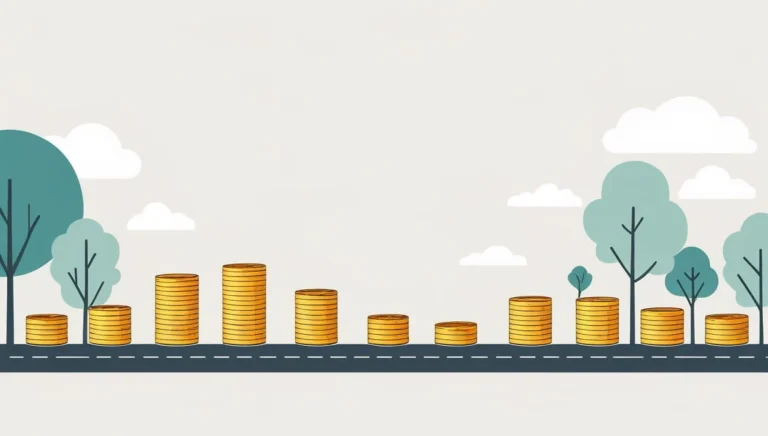
Traditional FIRE aims for immediate financial independence.
Coast FIRE aims for future independence with less pressure today.
| Aspect | Coast FIRE | Traditional FIRE |
|---|---|---|
| Saving intensity | Moderate early | Extremely high |
| Retirement timing | Later | Earlier |
| Flexibility | High | Medium |
| Risk tolerance | Lower | Higher |
Neither is better universally. Coast FIRE simply fits people who want balance.
How Coast FIRE Differs From Traditional FIRE
Coast FIRE differs from traditional FIRE mainly in how aggressive the savings approach is. Traditional FIRE requires building a full retirement portfolio as early as possible, often demanding extreme saving and lifestyle sacrifices. Coast FIRE, on the other hand, focuses on reaching a minimum investment threshold early, then relying on time rather than continued high contributions. This approach offers more flexibility, reduced burnout, and the ability to prioritize work-life balance without abandoning long-term financial independence.
When Coast FIRE Makes the Most Sense
Coast FIRE is especially useful if:
- You started investing early
- You want to change careers
- You plan to work part-time later
- You value time over early retirement
Many users calculate their Coast FIRE number first, then use planning tools like a Loan EMI Calculator to manage lifestyle costs without harming long-term goals.
How Accurate Are Coast FIRE Calculators
No calculator predicts the future perfectly.
A Coast FIRE calculator is a planning tool, not a promise.
Accuracy depends on:
- Honest expense estimates
- Conservative return assumptions
- Periodic recalculation
Used correctly, it gives clarity, not certainty.
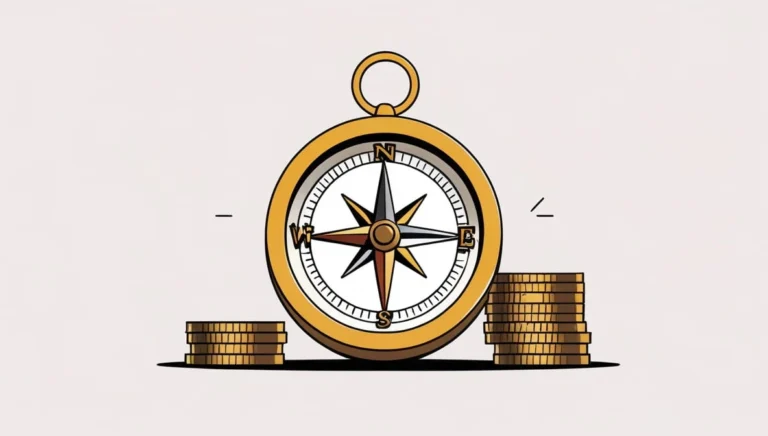
Think of it as a financial compass, not a GPS.
Does Coast FIRE Account for Inflation and Risk
A good Coast FIRE calculation always uses real returns. That is growth after inflation.
It does not remove market risk. It assumes that over long periods, diversified investments grow in real terms.
For a deeper understanding of inflation-adjusted returns, the U.S. Bureau of Labor Statistics provides historical inflation data that planners often reference.
Who Should Use the Coast FIRE Calculator

You should use the Coast FIRE Calculator above if:
- You want to know when you can stop investing
- You feel overwhelmed by retirement math
- You are planning long-term, not short-term
- You want clarity without complexity
It is especially helpful for people who already track net worth growth and investment progress but want a clear milestone.
Practical Tips Before You Stop Investing
- Recheck your numbers every few years
- Keep emergency savings separate
- Stay diversified
- Avoid lifestyle inflation too early
Some people also keep lightweight planning tools like an Online Age Calculator handy to align timelines realistically.
Visual Explanation: Coast FIRE Made Easy
Many people understand Coast FIRE better when they can see how the numbers move over time. You do not need complex charts or finance jargon. Just a simple mental picture.Think of your investments like momentum. Just as small hidden factors can change outcomes in digital systems
Think of Your Investments as a Rolling Ball
Imagine your current investments as a ball rolling downhill.
- Early on, the ball moves slowly
- Over time, gravity takes over
- Eventually, it rolls fast on its own
Coast FIRE is the moment when gravity, not your effort, becomes the main driver.
Your job is not to push the ball anymore. Your job is to stay out of its way.
Visual Timeline Example
Age 30
- You invest aggressively
- Portfolio grows slowly
- Contributions matter most
Age 40
- Portfolio reaches Coast FIRE number
- Contributions become optional
- Time becomes the biggest factor
Age 65
- Portfolio reaches full retirement target
- You withdraw, not contribute
This is why the calculator above focuses on time, growth rate, and inflation, not monthly savings.
Simple Formula (No Math Anxiety)
Behind the scenes, Coast FIRE uses a future value calculation:
Current Investments × Compounding Over Time = Future Retirement Value
No future contributions.
No guessing.
Just realistic growth assumptions.
If you have ever used a compound interest calculator, the logic is similar, but this tool is built specifically for Coast FIRE planning.
Common Visual Mistake People Make
Many people imagine Coast FIRE as “free money forever.”
That is not accurate.
A better image is:
- You built a strong engine
- You turn off the fuel supply
- The engine keeps running because of momentum
Momentum works only if the engine was strong enough to begin with. That is why using the calculator honestly matters.
Coast FIRE Assumptions Explained
What the Coast FIRE Calculator Assumes
1. Long-term market participation
Your investments remain invested until retirement. No panic selling.
2. Real (inflation-adjusted) returns
The calculator focuses on purchasing power, not inflated future dollars.
3. Stable retirement spending estimate
Your annual expenses are realistic, not optimistic.
4. No future contributions
Once Coast FIRE is reached, growth comes from investments only.
These assumptions match how most retirement planning tools are structured, but Coast FIRE applies them earlier in life.
Does Coast FIRE Include Inflation?
Yes.
Inflation is accounted for by using real return assumptions, which subtract expected inflation from nominal investment returns.
This approach aligns with long-term financial planning standards discussed by educational and government sources such as the U.S. Bureau of Labor Statistics and academic retirement studies.
Ignoring inflation is one of the biggest reasons people miscalculate retirement readiness.
What Return Rate Should You Use?
There is no perfect number, but here is practical guidance:
- Conservative investors often use 4 percent real return
- Balanced investors may use 5 percent
- Aggressive assumptions above 6 percent increase risk
If you are unsure, it is better to underestimate returns than overestimate them. Coast FIRE rewards patience, not optimism.
Can Coast FIRE Fail?
Yes, but usually for predictable reasons:
- Inflation spikes beyond expectations
- Major lifestyle inflation occurs
- Long periods out of the market
- Underestimating retirement expenses
Coast FIRE is safest when treated as a checkpoint, not a finish line. Recalculating every few years keeps it realistic.
Is Coast FIRE Better Than Traditional FIRE?
Coast FIRE is not better or worse. It is different.
Traditional FIRE prioritizes speed.
Coast FIRE prioritizes flexibility.
Many people use Coast FIRE as a phase, then decide later whether full FIRE makes sense. This staged approach often reduces burnout and financial anxiety.
Why This Coast FIRE Calculator Is the Right Tool to Use
This tool is designed specifically for people who want to answer one clear question:
“Can I stop investing now and still retire safely later?”
It avoids:
- Overly complex inputs
- Unrealistic projections
- Confusing charts
It focuses on:
- Time horizon
- Inflation-aware growth
- Retirement spending clarity
That makes it more useful than generic retirement or FIRE calculators for this specific decision.
Coast FIRE Planning

Effective Coast FIRE planning starts with realistic assumptions and consistent habits rather than perfection. This includes choosing a reasonable rate of return, planning for inflation, and understanding how long your money has to grow. Planning also involves career choices that support your desired lifestyle while covering expenses without dipping into investments. A well-thought-out Coast FIRE plan balances financial discipline with personal freedom, making it easier to stay committed over the long term.
Coast FIRE Goal
The ultimate Coast FIRE goal is financial peace of mind, not early retirement at any cost. It allows you to work on your own terms, pursue meaningful projects, or choose lower-stress roles while knowing your future retirement is secure. Instead of chasing a finish line, Coast FIRE creates breathing room in your financial life. When approached thoughtfully, it turns long-term investing into a supportive system rather than a source of pressure.
Final Takeaway
Coast FIRE is not about quitting work.
It is about buying freedom earlier.
Once your investments can grow to retirement on their own, your relationship with money changes. You gain options. You gain calm. You gain control.
Use the Coast FIRE Calculator above as a planning partner, not a prediction machine.
Run it conservatively. Revisit it occasionally. Let time do its job.
If you understand this page, you understand Coast FIRE better than most people already do.
Final Thoughts

Coast FIRE is not about quitting work.
It is about removing pressure.
When you know your investments can carry you to retirement on their own, your choices change. Work becomes optional, not mandatory. Saving becomes a choice, not a burden.
The Coast FIRE Calculator on this page exists to give you that clarity. Use it honestly. Use it conservatively. And revisit it as your life evolves.
If this page helped you understand your situation better, you are already ahead of most people.
Author Bio
Written by a personal finance researcher and long-term investment planner who focuses on clear, practical explanations of complex money decisions. The goal is simple: help you make confident choices without unnecessary stress or hype.
Important Notes: This Information On research Based And Education Purpose Only, If You Want Investment and Take Loans Please Take Your own Research
Frequently Asked Questions (FAQ’s)
What is a Coast FIRE?
Coast FIRE is a financial strategy where you invest enough money early so it can grow into your retirement fund without further contributions. After reaching Coast FIRE, you continue working only to cover current expenses while your investments compound in the background.
What is the difference between FIRE and Coast FIRE?
Traditional FIRE requires saving enough to fully retire early and live off investments. Coast FIRE only requires saving enough so investments grow to your retirement goal over time. With Coast FIRE, you keep working but no longer need aggressive retirement savings.
What is the Coast FIRE theory?
The Coast FIRE theory is based on investing early and letting compound interest do most of the work. Once a minimum investment amount is reached, no further retirement contributions are needed. Time and market growth allow the portfolio to reach retirement value naturally.
What is the Coast FIRE rule?
There is no fixed Coast FIRE rule. It involves calculating how much money you need invested today so it grows into your retirement fund by retirement age. The calculation depends on expected returns, inflation, time horizon, and future retirement expenses.
How many people have $1,000,000 in retirement savings?
Only a small percentage of people reach one million dollars in retirement savings. Research shows fewer than 10 percent of retirees have $1,000,000 or more saved, which is why long-term investing strategies like Coast FIRE are becoming more popular.
What is the 4% rule in FIRE?
The 4% rule suggests withdrawing 4 percent of your investment portfolio each year in retirement to avoid running out of money for about 30 years. It is a planning guideline, not a guarantee, and depends on market performance and inflation.
What are the three types of FIRE?
The three common types of FIRE are Lean FIRE, Fat FIRE, and Coast FIRE. Lean FIRE focuses on minimal expenses, Fat FIRE supports a higher lifestyle, and Coast FIRE prioritizes early investing followed by flexible work instead of early retirement.
Can I withdraw money from my life insurance?
You can withdraw money from permanent life insurance policies like whole or universal life if they have cash value. Term life insurance does not allow withdrawals. Taking money out may reduce benefits or create tax implications depending on the policy.
What age is best for Coast FIRE?
The best age for Coast FIRE is usually your 20s or 30s because investments have more time to compound. However, it can still work later in life by saving more aggressively or adjusting retirement expectations.
What are the 5 classifications of fires?
The five fire classifications are Class A, B, C, D, and K, which relate to fire safety, not personal finance. They describe fires involving solids, liquids, electrical sources, metals, and cooking oils, and are unrelated to the FIRE movement.
What is Coast FIRE?
Coast FIRE means reaching a point where your retirement investments no longer need new contributions. You continue working to pay living expenses while your portfolio grows on its own toward your retirement goal through compound interest.
What is the 25x rule for retirement?
The 25x rule states you need 25 times your annual retirement expenses saved to retire comfortably. It is based on the 4% rule. For example, $40,000 in yearly expenses requires about $1,000,000 in savings.
What happens when you hit Coast FIRE?
When you hit Coast FIRE, your retirement is financially on track without additional savings. You can reduce work hours, change careers, or focus on lifestyle choices while your investments continue growing toward retirement.
How much income will $100,000 pay you in retirement?
Using the 4% rule, $100,000 can generate about $4,000 per year in retirement income. This amount usually supplements other income sources rather than fully covering retirement expenses.
Can you withdraw 4% indefinitely?
Withdrawing 4% indefinitely is not guaranteed. The rule was designed for a 30-year retirement and depends on market returns and inflation. Many retirees adjust withdrawals over time to reduce risk during poor market conditions.
What is the 70/20/10 rule money?
The 70/20/10 rule suggests spending 70 percent of income on living expenses, saving or investing 20 percent, and using 10 percent for discretionary spending or giving. It is a simple framework for balanced money management.
What are the 4 pillars of retirement?
The four pillars of retirement include savings and investments, income sources, healthcare planning, and lifestyle planning. Together, they help ensure financial stability and quality of life during retirement.